Planning an outdoor entertaining area that gets used all year
Decks, roofs and outdoor rooms for a subtropical climate, what makes them comfortable and durable.
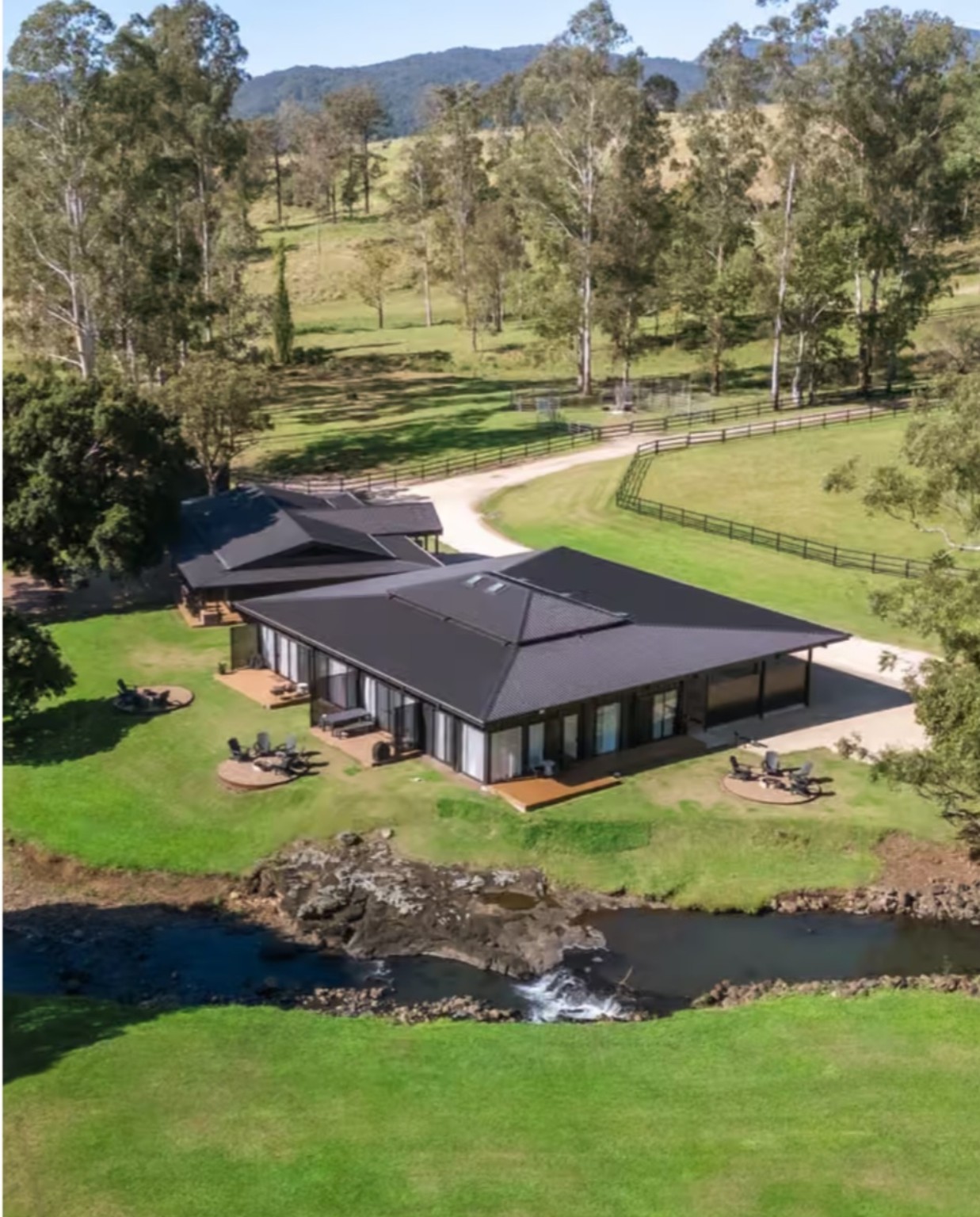
Outdoor living is one of the great pleasures of life in the Northern Rivers. But a deck that's too hot in summer, exposed to driving rain or awkward to reach from the kitchen won't get used. Here's what to consider so your outdoor space works across every season.
Start with orientation
Note where the sun falls in the morning and afternoon, and in summer and winter. North-facing areas get winter sun but need summer shade. West-facing spaces can be uncomfortably hot in the afternoon without screening. Also consider the prevailing wind and the direction heavy rain tends to come from.
Connect it to the house
The most-used outdoor areas are the ones that feel like an extension of the living area. Level or near-level thresholds, wide openings and a short path to the kitchen all make a big difference. Think about how you'll carry food and drinks out, and where people will naturally gather.
Roof or no roof?
- An open deck is cost-effective and great for sun, but limits use in rain and peak summer.
- A pergola offers filtered shade and can support climbing plants or an adjustable louvre system.
- A solid roof gives year-round protection from sun and rain and makes outdoor furniture, lighting and fans practical.
- Insulated roofing helps keep the area beneath cooler in summer.
Consider how a new roof affects light entering the house; a well-designed roof can shade the deck without darkening the living room.
Choose materials for humidity and rain
Durable hardwoods and quality composite decking both perform well when correctly installed. What matters as much as the material is the detailing: adequate ventilation beneath the deck, appropriate gaps between boards, stainless or suitably coated fixings, and sound connections back to the house to prevent water entering the existing structure.
Plan for privacy, screening and lighting
Screens can provide privacy, block low western sun and offer protection from wind. Plan lighting and power early, it's simpler to run cabling during construction than afterwards. Ceiling fans under a roofed area make a real difference on humid evenings.
Check approvals and bushfire requirements
Decks and roofed areas may need approval depending on their size, height and proximity to boundaries. On bushfire-prone land, material and construction requirements may apply. Check with your council or a certifier early in the process.
Think about maintenance
Timber decks need periodic oiling to keep them looking their best; composites need less but have a different look and feel. Factor ongoing maintenance into your choice, along with how the deck will weather in your specific location.
A well-built outdoor area can become the room you use most. If you're considering a deck or covered area, we're happy to look at your site and talk through the options.